Cats sometimes take strange actions. It can be cute and easy to understand, and it can embarrass us. One behavior that surprises many owners is Cat Purring in Litter Box. It looks calm and happy at first glance, but it may also indicate stress and discomfort. It is very important to understand the reasons for this phenomenon. By using gentle natural materials like tofu cat litter, you can increase the comfort of the toilet, reduce the smell, and give the cat a sense of security. This will help you maintain your cat’s health, well-being and relaxation.
What Does It Mean When a Cat Purrs?
The sound of rumbling, or throat, is often seen by cats, but it does not necessarily have the same meaning. Many people tend to think that a cat rumbles only when it is happy, but in fact it can also sound for other reasons. Sometimes Cat Purring in Litter Box can be a way for them to calm themselves when they feel safe or comfortable, or when they are upset by illness or fear. By using gentle material like tofu cat litter, you can make the toilet more comfortable and reduce stress. Understanding why a cat rumbles can help you know its emotions and needs and keep your cat calm, happy and safe.
Cats can purr for several reasons:
- Comfort and happiness: When resting or being stroked.
- Self-soothing: To calm yourself when you are scared or nervous.
- Pain and illness: To comfort yourself when you are ill.
- Communication: To draw your attention or seek care.
Common Reasons Why a Cat Purrs in the Litter Box
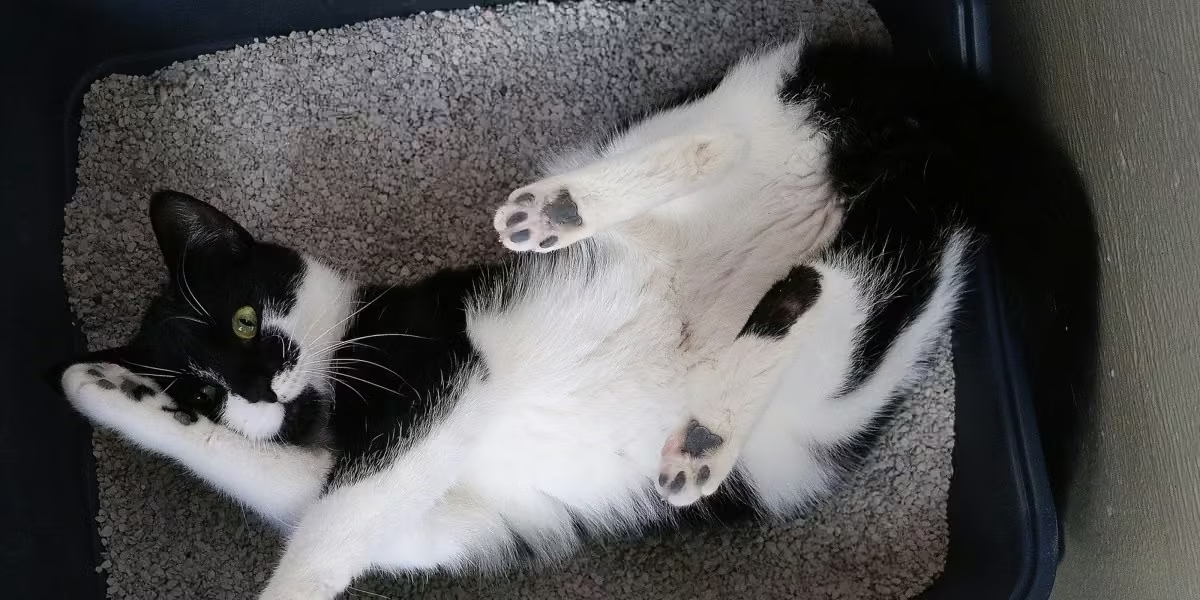
Cat Purring in Litter Box may seem strange at first, but there are several simple reasons for this behavior. Cats who feel that the toilet is a quiet and safe place may sound rumbling there. For other cats, rumbling is a way to calm yourself when you feel tension, stress and anxiety. In some cases, the cat may be trying to use the toilet while feeling ill health or pain. Knowing the reasons behind this action will help you to better understand your cat and stay healthy, comfortable and happy.
1. Your Cat Feels Safe and Relaxed
Cat Purring in Litter Box often makes a low rumbling sound from the throat. Because it feels safe and quiet. If the cat is calm and sounds quietly in the throat, it is likely that you are enjoying a cozy space. However, if you are staying for a long time, it may be a sign that the cat is stressed or ill health.
2. Your Cat Is in Pain or Discomfort
Cat Purring in Litter Box can sometimes mean your pet is feeling pain or not well. He calls himself by rumbling. If a cat stays in the toilet for a long time, puts effort in, and rumbles while ringing, it may be a sign of health problems.
- Urinary tract infection (UTI)
- Bladder stones
- Constipation
- Blockage (especially in male cats)
3. Stress or Anxiety
Cats may feel stress and anxiety about changes around them, such as new homes, new pets, loud sounds, or different cat sand. Some cats hide in cat litter boxes to make their throats sound safe. Providing peace of mind, space, and gentle care help to calm the cat.
4. Illness or Weakness
Cats that are sick or elderly may be closed to the toilet because their physical strength decreases and they cannot move far. Rumbling and throat may make you feel easier. If you experience anorexia, weight loss, vomiting or abnormal sleep conditions, consult a veterinarian immediately.
5. Marking Their Territory and Feeling Safe
Cats use their scent to mark their space. When you notice your Cat Purring in Litter Box, it may be a way of making the area feel familiar and safe. Purring can help them relax, and this behavior is usually normal if your cat seems calm.
How to Know If It is Normal or a Problem
Cat Purring in Litter Box is not always a problem, but it is important to pay attention. Observe your cat behavior, time in the toilet, signs of pain, etc. This shows whether the rumbling is normal or whether the cat needs help.
| Normal Behavior | Possible Problem |
| Cat purrs softly and leaves after using the litter box | Cat stays in litter box for long periods |
| Looks relaxed and happy | Looks tense, straining, or meowing loudly |
| Normal eating and drinking habits | Not eating or drinking, seems weak |
| Plays and interacts normally | Hides often or shows sudden aggression |
What You Should Do When Your Cat Purrs in the Litter Box
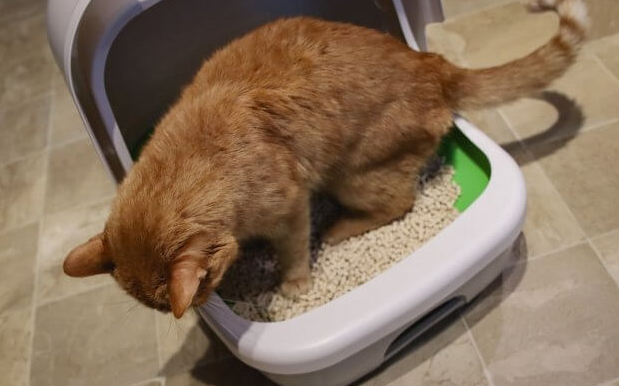
If your cat purrs in the litter box, there are easy ways to help them. First, watch your cat closely to see if it seems happy or in pain. Make sure the litter box is clean and comfortable. Give your cat a calm and quiet space. If you notice signs of discomfort, straining, or unusual behavior, take your cat to the vet. Understanding your cat’s needs can keep them healthy, safe, and happy.
1. Watch Your Cat Carefully
Observe the cat’s behavior closely. Pay attention to the frequency of use of the toilet, the duration of stay, the state of power and the presence of a voice. These details matter because noticing Cat Purring in Litter Box helps vets understand your cat’s health and what care it may need.
2. Check for Medical Issues
If the cat is feeling pain or discomfort, take it to the vet immediately. Veterinarians perform urine and X-ray tests to identify the cause of the problem. Fast response is very important because a urinary tract obstruction can result in a serious condition.
3. Keep the Litter Box Clean and Comfortable
A clean toilet is a safe and happy place for cats. Dirty and smelly toilets can cause stress and cause abnormal behavior. By keeping the toilet clean, comfortable, and easy to use, you can encourage Cat Purring in Litter Box naturally, so your cat can relax and feel safe every day.
- Scoop the litter at least once a day
- Wash the box weekly
- Use soft, dust-free litter that does not irritate paws
4. Reduce Stress in the Home
Stress changes the behavior of cats, and one common sign is Cat Purring in Litter Box. Create a calm and predictable environment for your cats to feel at ease and relax. Reducing stress improves cat behavior and overall euphoria.
- Keep a consistent routine (feeding, playtime, and bedtime)
- Avoid loud noises and sudden changes
- Give your cat a quiet space to rest
- Use calming sprays or diffusers if needed
5. Spend Quality Time with Your Cat
Cats need love and attention to stay happy and secure. If you notice Cat Purring in Litter Box, it may mean your cat seeks comfort. Spending a few minutes daily playing, stroking, and talking gives security. Toys, scratch posts, and windowsill shelves also keep cats active and entertained.
6. Offer Multiple Litter Boxes
If you have multiple cats, it is important to have enough toilets. In addition to the toilet dedicated to each cat, prepare one reserve. This helps reduce stress, prevent fights, and stops hiding in the litter box. It can also prevent problems related to Cat Purring in Litter Box or other unusual behaviors.
7. Watch for Changes in Routine
Cats prefer habits. Food and toilet sand types and sudden changes in the environment can cause anxiety. If your cat starts cat purring in litter box after such a change, try to return to the previous routine for a while. Step-by-step adjustments are always best.
When to Visit a Veterinarian
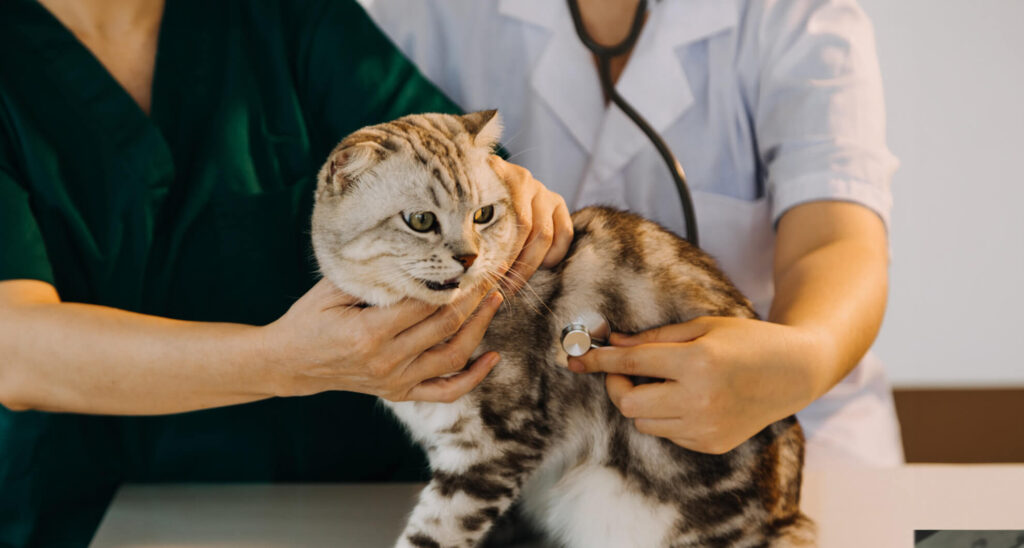
If a cat shows unusual behavior, especially when the Cat Purring in Litter Box, it may be necessary to see a veterinarian. Signs such as power when urinating, chirping when urinating, blood mixing in the urine and stool, frequent going to the toilet but not excreting, unwell, sudden changes in diet and behavior may indicate health problems. By having a veterinarian look early, the problem can be detected early and treatment is easier. Regular health checks and attention to these warning signs protect the health, comfort and happiness of the cat.
- Straining or crying while urinating
- Blood in urine or stool
- Frequent trips to the litter box with no results
- Lethargy or weakness
- Sudden change in appetite or behavior
Preventing Future Problems
It is always a better choice to prevent problems than to solve them later. By building healthy habits, we keep cats happy and safe. Simple habits such as high-quality meals, fresh water, clean toilets, regular exercise and veterinarian health checks can help prevent and reduce health problems. These habits are especially important if your cat shows behaviors like Cat Purring in Litter Box, as they can indicate comfort, stress, or health issues. Following these daily routines helps cats stay healthy, comfortable, and active for a long time. Small daily actions make a big difference in the life of a cat.
Emotional Reasons Behind Purring in the Litter Box
Cat Purring in Litter Box is not necessarily just for health and comfort. Sometimes it sounds for emotional reasons. By understanding these feelings, we will be able to deepen our understanding of cats and respond with compassion. Rumbling is an expression of trust, relieving tension, and a habit of getting a sense of security.
- Trust Sign: Cats feel safe in your home and even in private moments.
- The way of self-sedation: especially when faced with something new or strange.
- Reassurance habits: Some cats acquire habits connected to a specific location. The toilet may be just one of them.
Understanding Cat Body Language
By observing the movement of the cat’s body, you can understand why it is rumbling. When a cat purring in litter box, pay attention to its body, eyes, tail, and breathing. These signs show whether your cat is happy, stressed, or in pain, helping you understand its emotions better.
- Relaxed body, eyes half closed: Happy or calm.
- Tense posture, wide eyes: Nervous or scared.
- Tail flicking or ears down: Annoyed or uncomfortable.
- Stillness or heavy breathing: Could indicate pain or illness.
My Cat Purrs and Sleeps in the Litter Box – What Now?
If the cat is sleeping in the toilet while rumbling the throat, it may be a sign of the problem. Cats usually do not sleep where they excrete. This behavior, often seen as Cat Purring in Litter Box, can mean the cat is in pain, feeling sick, or discomfort. Check for signs of infection, impaired urination and other health problems. Ensure the cat has a clean, soft and quiet bed outside the toilet. If the cat keeps sleeping in the toilet, take it to the vet immediately to protect safety and health.
Final Thoughts
Cat Purring in Litter Box has various meanings. Some evidence is relieved, but sometimes it is a sign of pain and stress. See the overall behavior of a cat and understand its meaning. If the cat is normal, there is usually no problem. However, if you are in the toilet for a long time, please take it to the vet if you feel uncomfortable. Keep the toilet clean, use soft sand and create a calm home environment. Care for cats helps cats stay healthy, happy and comfortable.